

What Is TMJ Disorder?
TMJ stands for temporomandibular joint, which is the jaw joint that connects the mandible, or the bone of the lower jaw, to the temporal bones of the skull on either side of the head. This disorder can range from a slight nuisance to severely debilitating as it can impact your ability to eat, breathe, talk, and sleep.
There are many possible causes of TMJ disorder:
- Autoimmune diseases
- Various forms of arthritis
- Infections
- Female sex hormones
- Injuries to the jaw area
- Gum chewing
- Dental procedures
- Stress
What are TMJ syndrome symptoms and signs?
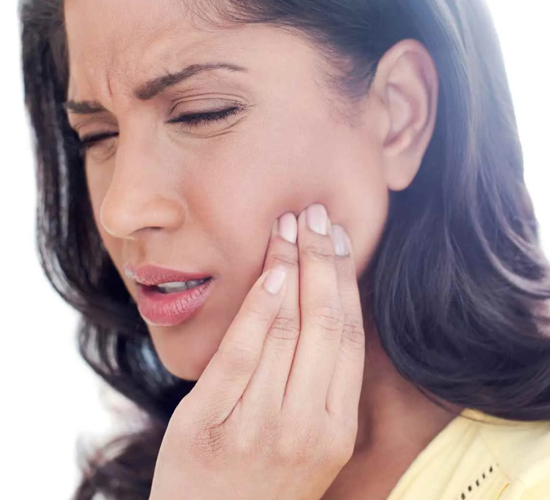
The main symptom of TMJ syndrome is pain in the jaw joint. This joint is located just in front of the ear, and pain associated with TMJ syndrome may involve the face, eye, forehead, ear, or neck. Signs and symptoms of TMJ syndrome include the following:
- Pain or tenderness in the jaw, especially at the area of the joint
- Muscle spasm in the jaw
- Popping/clicking of the jaw
- Pain, swelling, or a lump in the temple area
- Pain that feels like a toothache
- Difficulty chewing
- Ear pain or sounds of cracking in the ears
- Shoulder pain
- Ringing or popping sounds in the ears (tinnitus) or a sense of fullness in the ears
- Locking or dislocation of the jaw (usually after widely yawning), referred to as lockjaw
- Headaches, including migraines
- Dizziness or vertigo
- Blurred vision
- Facial pain, mouth pain, cheek pain, or chin numbness or tingling
- Tight, stiff, or sore jaw or neck muscles
- Pain at the base of the tongue
Lifestyle Changes
There are a number of self-help measures that can help improve TMD, including:
- Resting the joint by eating soft food and avoiding chewing gum
- Avoiding clenching the teeth for long periods of time
- Holding a warm or cold flannel to the jaw for 10-20 minutes, several times a day
- Massaging the muscles around the joint
- Doing a few jaw-stretching exercises – your health care professional can recommend appropriate exercises
- Not resting your chin on your hand
- Avoiding opening the joint too wide until the pain settles
Rehabilitation
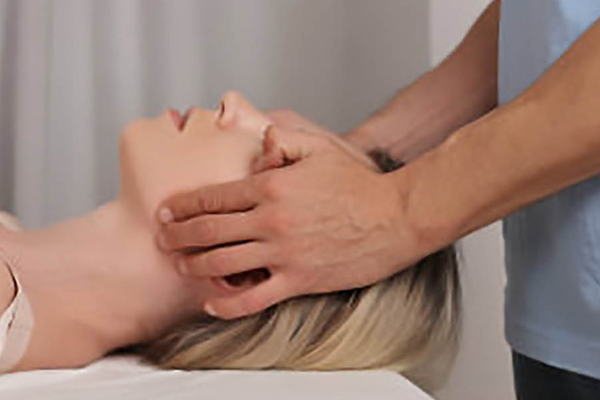
Physiotherapy treatment at Paradise Physio can be very useful to manage your TMJ symptoms or alleviate them completely. Your therapist will use a variety of techniques and modalities to alleviate your pain and avoid future TMJ problems. They will also provide education in order to help you better manage your TMJ problem on your own.
Firstly, your therapist will provide hands-on treatment such as massage or other techniques to alleviate the tension in the muscles that control your TMJ, including the large temporalis muscle near your temple, and the strong masseter muscle at the angle of your jaw. The other smaller muscles such as the pterygoids may be massaged externally around your jaw, or your therapist may don a glove and work on these muscles from inside your mouth. Muscles in your neck, shoulders, or upper back may also require tension-relieving techniques.